
100M+ Views: Tapan Ghosh, The Man Behind Scriptless Cinema
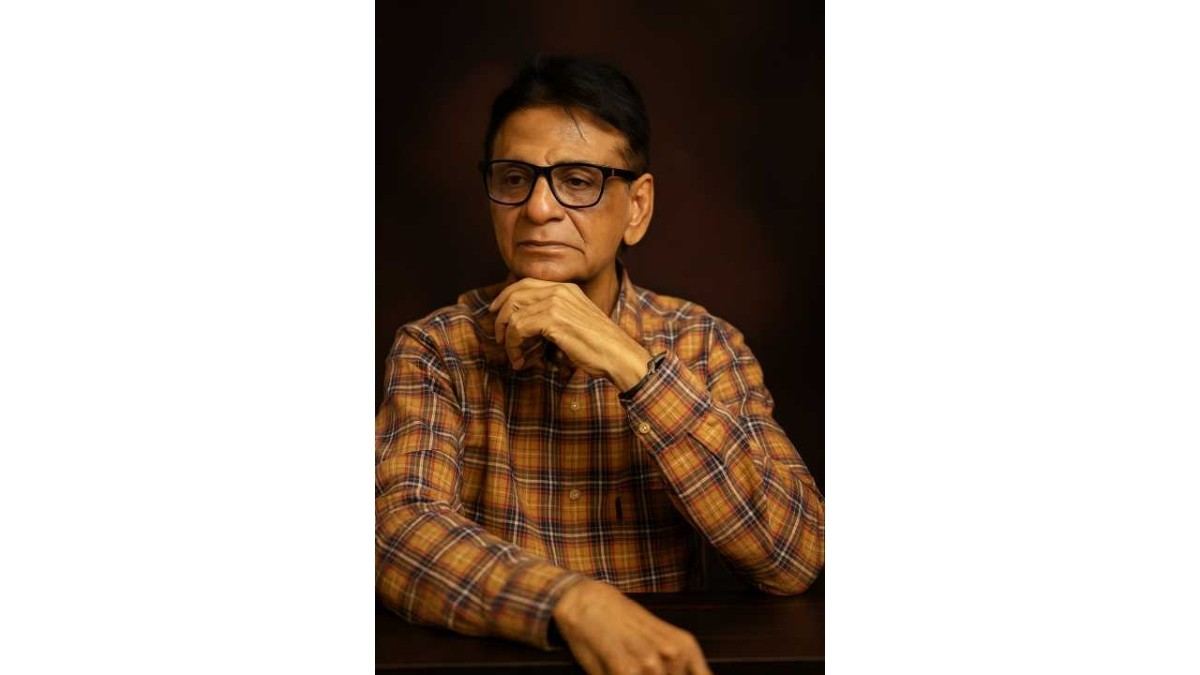
With his films collectively crossing the 100 million views mark on YouTube, filmmaker and author Tapan Ghosh has built a distinctive body of work around an unconventional approach to filmmaking. His method, which he calls “Scriptless Cinema”, places instinct, spontaneity and authentic human behaviour at the centre of the creative process.
Rather than beginning with a conventional screenplay and predetermined performances, Ghosh creates situations that allow actors and emotions to evolve naturally in front of the camera. The approach has resulted in films that explore relationships, identity, social observations and human contradictions through an unusually intimate lens.
As his body of work continues to find audiences online, Ghosh speaks about the thinking behind Scriptless Cinema, what happens when a filmmaker gives up complete control, and where he sees this form of storytelling heading next.
Your films have crossed 100 million views. What do you think audiences are responding to?
I think audiences respond to recognition. People may come from completely different backgrounds, but emotions are remarkably universal. When they see a character hesitate, struggle, make a mistake, fall in love, experience insecurity or simply react instinctively, they recognise something of themselves.
I have never believed that a film needs to be perfect to connect with people. It needs to be honest. Our films often emerge from ordinary human situations, and perhaps that is why viewers find something familiar in them. The response to the films has reinforced my belief that audiences are willing to embrace unconventional storytelling when the emotions feel genuine.
For someone hearing the term for the first time, what exactly is Scriptless Cinema?
Scriptless Cinema is my approach to making films where the screenplay does not dictate every word, reaction or emotional beat before the camera starts rolling.
The story has a foundation, there is a situation, there are characters and there is an intended emotional direction. But I leave space for what happens in the moment. The actors are not simply delivering predetermined lines; they are responding to the situation and to each other.
For me, the camera becomes an observer of human behaviour rather than simply recording a performance. That creates possibilities that a completely predetermined process may not always allow.
If there is no conventional screenplay, what happens before the camera starts rolling?
A lot of preparation still happens. Scriptless does not mean preparation-less.
I work on the central idea, the characters, the situations and the emotional journey I want to explore. The actors need to understand what they are experiencing and why they are in that situation. What I deliberately leave open is how they will express it.
That distinction is important. The framework exists, but the expression remains free. I am interested in giving actors enough understanding to enter the world of the story while allowing them enough freedom to discover their own reactions.
What happens when actors or situations produce something you never expected?
That is often when the most interesting filmmaking begins.
If something unexpected happens but it is emotionally truthful, I don’t necessarily want to stop it simply because it wasn’t part of my original thought. Some of the most powerful moments can emerge from a reaction, a silence, a disagreement or an emotion that nobody planned.
The filmmaker has to be willing to listen. Once you decide that your original idea is always more important than what is happening in front of the camera, you can miss something genuine.
For me, filmmaking is not about proving that I was right when I started the scene. It is about discovering what the scene can become.
Where do you see Scriptless Cinema — and filmmaking more broadly — going next?
I don’t see Scriptless Cinema as a replacement for conventional filmmaking. There will always be a place for different forms of storytelling, and every filmmaker has to find the process that works for them.
What I do believe is that audiences are becoming increasingly sensitive to authenticity. They can sense when something feels manufactured and when something feels lived. Technology will continue to transform how films are made and consumed, but the fundamental human need for connection will remain.
For me, the future of filmmaking is not about choosing between technology and emotion, or between structure and spontaneity. It is about finding new ways to use all of them without losing the human being at the centre of the story.
If Scriptless Cinema can encourage filmmakers to trust human instinct a little more, give new actors greater freedom to discover themselves, and allow audiences to experience stories that feel genuinely lived, then I believe it has a meaningful place in the future of cinema.
Atul Tiwari is a seasoned journalist at Mumbai Times, specializing in city news, culture, and human-interest stories. With a knack for uncovering compelling narratives, Atul brings Mumbai’s vibrant spirit to life through his writing.