Prithvi Sengupta: Redefining Possibilities and Breaking Barriers Through the Power of Sport
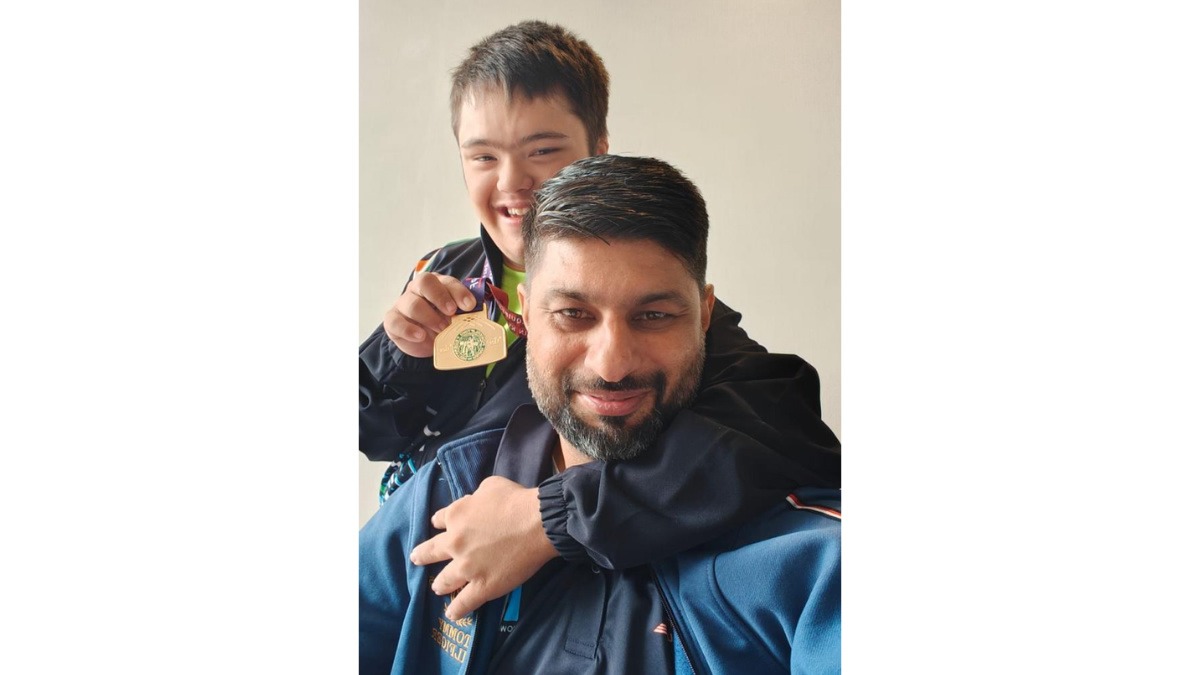
Responses by Prithvi Samrat Sengupta | International Gold Medallist in Powerlifting
1. Your journey in sports has taken you from participating in different sporting activities during childhood to winning gold at an international championship. What were the defining moments that shaped your journey as an athlete?
My journey began on the advice of my paediatrician, Dr. Shobha Sharma, who explained that physical activity would support my development. My mother and Nani introduced me to swimming, badminton, and skating, laying the foundation for my sporting journey. A turning point came when my coach, Sanket Aarekar, recognised my strength and encouraged me to explore a strength-based sport. On my father’s suggestion, I took up powerlifting and fell in love with it. Since then, discipline and consistency have driven me, from challenging training routines to deadlifting over 115 kg. Winning international gold is a dream come true, but the journey and the people who believed in me are my biggest achievements.
2. You have achieved significant recognition in powerlifting. How has competitive sport influenced your confidence, independence, and outlook towards life? I am on a competitive stage. I love the energy, the atmosphere and the challenge of competing against others and pushing my own limits.
I love the energy and challenge of competing and pushing my limits. International competitions have also given me opportunities to travel with my coach, Aman Vohra, explore new places and adapt to different environments. I am proud of the recognition powerlifting has brought me, but my confidence and independence come largely from my mother. She has always protected me without limiting my freedom to explore the world. She has never been apologetic about my Down syndrome; instead, she celebrates my achievements and has taught me that I am no less than anyone else. Powerlifting has given me medals, but my mother has given me the confidence to believe in myself.
3. What were some of the biggest challenges you encountered while pursuing professional sports, and how did you work towards overcoming them?
Finding a coach who understood my strengths and needs, and a gym that would allow a minor to train seriously, were early challenges. I have also had to work on my diet. I am a foodie, and my Nani is a wonderful cook, so resisting her delicious food during competition season is not easy! A particularly demanding phase was reducing my weight from 75 kg to 63 kg under Aman Vohra Sir’s guidance, without compromising strength or performance. With the support of my coaches, Sanket Aarekar and Aman Vohra, I learnt to approach challenges with patience, discipline and consistency. Every obstacle has taught me that commitment and effort can help find a way forward.
4. Winning gold at the 2026 championship in Istanbul was a significant milestone. Can you take us through your preparation, the competition, and what the achievement means to you?
Preparing for the 2026 World Championship in Istanbul was challenging because I had undergone two surgeries in 2025 and needed to rebuild my strength. Under Aman Vohra Sir’s guidance, I trained for three to three-and-a-half hours daily, combining powerlifting, cardio and muscle training. Nutrition was equally important. As I am almost entirely vegetarian, my Nani created healthy, high-protein recipes to keep my diet interesting. I enjoy being on the competition platform and focus on my lifts and technique rather than the pressure of winning. Aman Sir’s guidance before every attempt also helps me stay confident. The gold was more than a medal; it marked my comeback. Seeing the happiness in my mother’s eyes makes it even more special. Every medal is for her.
5. How important has your mother’s support been in shaping your sporting journey? Is there a particular moment when her encouragement made a difference during a challenging phase?
My mother is the backbone of everything I do and my biggest role model. When I underwent two surgeries in 2025, some family members felt I should stop lifting. My mother was concerned too, but she never let fear become a reason to give up. I remember her telling me, “I have given birth to a lion. Why should I be scared? But we need to be careful and not foolish.” She encouraged me to return while following every safety precaution. We also have a special bedtime ritual: we spend about 30 minutes sharing our day and discussing my training and goals. She is not simply cheering from the sidelines; she is part of every step of my journey.

Prithvi Samrat Sengupta with his mother, Niyateey Shah, whose unwavering love and support have been instrumental in shaping his sporting journey.
6. Your coach has played an important role in your development as a competitive athlete. How has the right mentorship and training approach helped you identify and push your potential?
I have been fortunate to learn from three wonderful mentors. Sanket Aarekar began training me when I was six and patiently built my basic fitness, coordination, strength and discipline. The late Madhukar Darekar recognised my potential for strength sports and introduced me to powerlifting. Aman Vohra Sir has since refined my technique, developed my strength, helped me manage my weight and prepared me for international competitions. He has also guided me in presenting myself confidently, travelling and interacting with people. The right coach does more than teach a sport; they recognise abilities you may not see in yourself and help you discover what you can achieve.
7. What changes would you like to see in India’s sporting ecosystem to create more opportunities, professional training facilities, and recognition for athletes with intellectual disabilities?
India needs to recognise sporting disciplines beyond cricket and provide athletes across sports with better opportunities, infrastructure and encouragement. I have been impressed by the efforts of Mr. Amit Sinha, Uttarakhand’s Sports Secretary, who actively interacts with and encourages athletes. For athletes with intellectual disabilities, however, inclusion must begin much earlier, with access to quality education, physical activity, trained teachers and supportive schools. My mother struggled to find the right educational environment for me. Schools should identify children’s strengths early and connect them with trained coaches, facilities and pathways to compete. We must focus less on what children with intellectual disabilities cannot do and more on what they can achieve when given the right opportunities and support.
Link: https://www.instagram.com/prithvi_the_champ17/
Atul Tiwari is a seasoned journalist at Mumbai Times, specializing in city news, culture, and human-interest stories. With a knack for uncovering compelling narratives, Atul brings Mumbai’s vibrant spirit to life through his writing.