
The Philosophy Of Building In Conversation With Shoumyadeep Ghosh
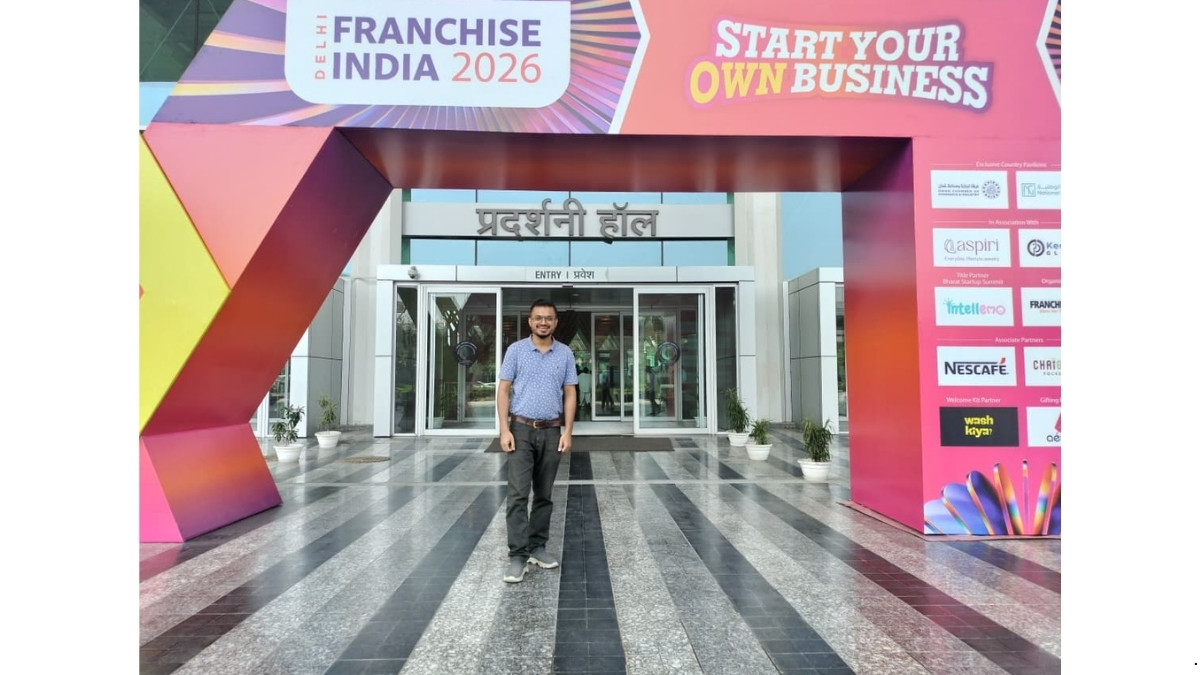
Interaction with Shoumyadeep Ghosh Managing Director & Chairman, D S Motors, Teliamura, Tripura
- Who is Shoumyadeep Ghosh once the designation is removed?
Someone who is still learning. Managing Director, Chairman, entrepreneur — these describe responsibilities, not the individual. I am curious about people, about business, about the process of building something meaningful. I have made mistakes, changed my opinions, and learned from people both younger and more experienced than me. Without a title, I would say: a builder who is still learning how to build better.
- What has life taught you that business alone could not?
Business teaches you about markets. Life teaches you about people — and business is ultimately about people. Everyone carries circumstances you cannot see. An employee may be struggling privately. A customer may be under financial pressure. That understanding creates empathy. But empathy does not mean lowering standards. Mature leadership needs both empathy and accountability. One without the other creates imbalance.
- Which part of your personality has helped you most?
Persistence — but not stubbornness. Blindly continuing with something that is not working is stubbornness. Persistence means continuing to learn, adapt and search for solutions. If an approach fails, change the approach. If the market changes, adapt. If the customer changes, listen. The objective is not to protect one method; it is to protect the larger purpose. Flexible methods, firm purpose.
- What is the hardest psychological challenge of entrepreneurship?
Carrying uncertainty while continuing to project stability. Employees look towards leadership. Customers expect confidence. Partners expect reliability. But the entrepreneur is also human. You cannot transfer every internal concern to everyone around you. That is why emotional maturity matters. You must be able to say, “I don’t know everything, but I will find out.” Genuine confidence comes from trusting your ability to find answers, not from having them all.
- How do you handle a moment when you don’t have the answer?
I avoid answering quickly just to appear decisive. Often the most professional response is, “Let me understand this properly before I decide.” Then I gather information, speak to the relevant people and consider consequences. Speed is valuable, but unnecessary speed creates expensive mistakes. Fast where speed matters; deliberate where consequences matter.
- What is one uncomfortable truth about being a founder?
Nobody is coming to save you. You can delegate tasks, authority and responsibility — but you cannot fully delegate accountability. That is uncomfortable, and also empowering, because once you accept it you stop waiting for perfect circumstances and start asking, “What can I do with the circumstances I have?” That question creates action.
- What has building in Teliamura taught you that a metro market might not have?
The power of reputation. In a smaller market people know one another, and a customer’s experience travels through families, workplaces and communities. You cannot present a different image every month; your actual behaviour eventually becomes your reputation. In a regional market, the community is part of your extended brand.
- Does being based in Tripura limit ambition?
No. It changes the environment, the strategy, perhaps the speed — but not the ambition. Today’s entrepreneur has access to knowledge and technology earlier generations did not. A business can learn from global companies while serving a local customer. Your location can influence your strategy without determining your ambition. I am proud to build in Tripura, and businesses from Tripura should aspire to standards that stand alongside organisations anywhere in India.
- What is the hidden strength of a regional entrepreneur?
Local intelligence — understanding customer behaviour, purchasing patterns, relationships and expectations that outsiders take years to learn. The opportunity is to combine that with modern management. Local intelligence plus professional systems plus technology equals strong regional competitiveness.
- What does D S Motors represent to you?
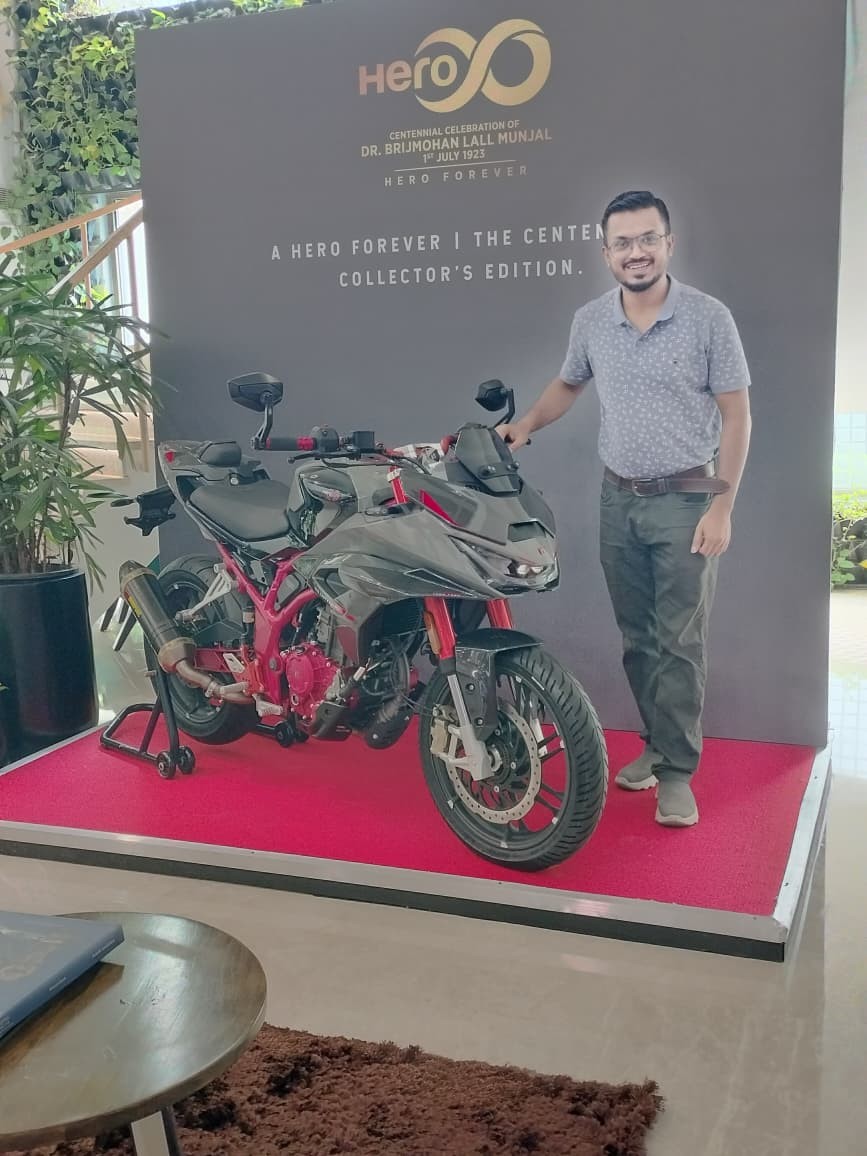
Years of learning — customers, employees, decisions, challenges, mistakes and achievements. It began its journey in 2007, but I don’t see 2007 as merely a date. It was the start of a long process. Customer expectations have evolved, the market has evolved, technology has evolved, and our understanding of management has evolved with them. D S Motors is not a finished story; it is an evolving institution.
- What is the difference between selling a vehicle and solving a mobility need?
Selling focuses on the transaction; solving focuses on the person. A customer buys because they are going to college, travelling to work, running a business or supporting a family. The vehicle is the product; mobility is the requirement. Good salespeople don’t simply sell products — they understand problems.
- And after-sales service?
That is where the promise of the sale is tested. Anyone can promise a good experience before purchase. The real relationship begins after the customer takes the vehicle home — service, maintenance, communication, problem resolution, follow-up. After-sales is not a department; it is a continuation of the brand promise.
- Why do you return so often to trust?
Because trust reduces uncertainty. Before any significant purchase the customer is asking: can I depend on this product, this organisation, this support? Trust influences acquisition, retention, referrals, employee loyalty and partnerships. It is not only an ethical principle — it is a strategic business asset.
- Can trust be measured?
Not perfectly, but its consequences can be observed: repeat customers, referrals, retention, complaints, feedback, employee tenure. Trust is intangible, yet it leaves measurable footprints. Management should not ignore intangible assets simply because they are not straightforward numbers.
- What destroys trust fastest?
Inconsistency. Promising one thing and delivering another. Treating one customer differently without legitimate reason. Leadership saying one thing and behaving differently. Communicating only when the organisation wants something. Trust requires alignment between words, actions and consistency.
- What do you expect from employees, and what should they expect from you?
From employees: integrity, accountability, a learning attitude and customer orientation. Skill can be developed and knowledge acquired, but attitude matters enormously. From leadership, employees should expect clarity, fairness, respect, feedback and recognition for genuine performance. Culture is created at the top but experienced at every level.
- How do you handle internal disagreement?
Disagreement is natural; the danger is when it becomes personal. I bring the discussion back to facts, objectives, customer impact and long-term consequences. Instead of “Who is right?”, I prefer “What is right for the organisation?” That shift moves the conversation from ego to purpose.
- What is the most dangerous internal behaviour?
Silent disengagement. Someone who openly disagrees can be understood; someone who makes mistakes can be coached. But an employee who has psychologically disengaged may appear present while contributing very little. Leadership must watch engagement, ownership and initiative — not only attendance and numbers.
- How do you view competition?
I don’t build a business around fear of competitors. If someone performs better in an area, we study why. If a competitor introduces a better process, we learn from it. But obsession is unhealthy. Our primary competitor should be our own previous standard. The question is always: are we better than we were yesterday?
- What does digital transformation mean in a dealership?
Not putting technology into an old process, but rethinking the process because technology makes a better way possible. Use data to make better decisions rather than merely collect it. Automate repetitive work so people can focus on higher-value activity. The danger is losing human connection — technology can tell you what a customer purchased, not why they are worried. The future is technology empowering people, not replacing them.
- What would success look like in ten years?
An organisation that is trusted, people-driven, data-informed, technology-enabled, customer-centric and capable of continuous innovation. But the most important indicator would be simpler: the organisation should be stronger because of the people who joined it.
- What do you want to leave behind?
Capability, not merely assets. If the organisation has capable people, strong culture and reliable systems, it can continue. I don’t want the next generation spending its time protecting my legacy — I want them free to improve it. A true legacy should become a foundation, not a limitation.
- Successful or trustworthy — how would you rather be remembered?
Trustworthy. Success without trust is temporary. Success is an outcome; character is a foundation.
- Your final message?
My story is not about perfection; it is about evolution. Regional entrepreneurship can coexist with professional ambition. Reputation is built through repeated behaviour. Meaningful institutions take time. The objective is not to become bigger — it is to become better, for customers, employees, partners and the community. Roots can be local. Standards can be global
Atul Tiwari is a seasoned journalist at Mumbai Times, specializing in city news, culture, and human-interest stories. With a knack for uncovering compelling narratives, Atul brings Mumbai’s vibrant spirit to life through his writing.